How to Read Our Tasting Notes
C
CellarstoneSeptember 12, 2026Demystify wine language: what we mean by body, tannins, acidity, and finish.
Understanding Tasting Notes: Your Personal Wine Guide
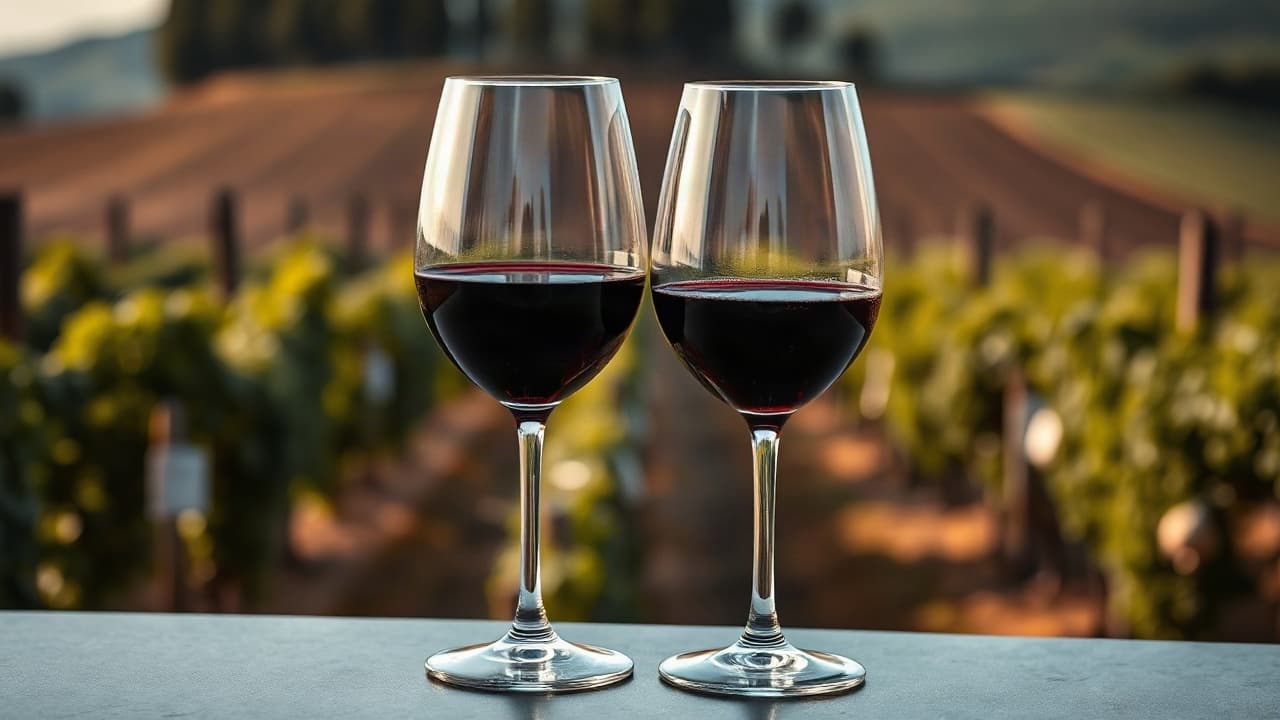
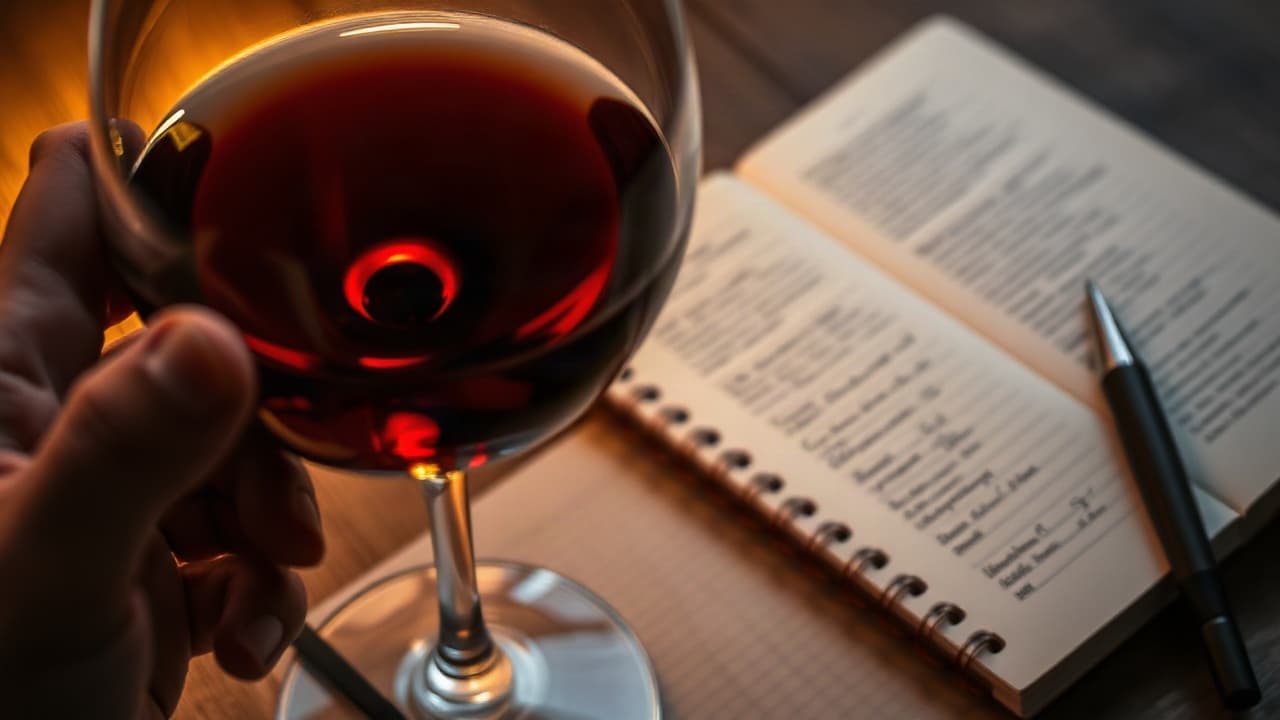
Walking into a wine shop can feel overwhelming—especially when you're staring at hundreds of bottles with cryptic descriptions. At Cellarstone, we've written detailed tasting notes for every bottle we hand-pick, not to confuse you, but to give you the confidence to choose a wine that truly matches what you're looking for. Let's break down how to read them.
The Aroma Profile: What Your Nose Tells You
When we describe a wine's aroma—sometimes called its "nose"—we're telling you what you'll smell when you bring the glass close. You might see notes like blackberry, leather, and tobacco in a red wine, or stone fruit, citrus, and green apple in a white.
The trick? These aren't flavors we've added. They're naturally occurring compounds in the wine that remind us of familiar scents. If you love the smell of fresh limes, a wine with citrus notes is worth exploring. If dark chocolate appeals to you, look for wines with cocoa or earthiness in the description.
The Palate: Taste, Texture, and Feel
The palate section describes what happens when you actually drink the wine. You'll often see terms like:
- Body—whether the wine feels light and delicate or full and rich on your tongue
- Acidity—the brightness or crispness (high acidity pairs beautifully with fatty foods)
- Tannins—the drying sensation in your mouth, common in red wines
- Finish—the flavors and sensations that linger after you swallow
Think of tannins like the feeling you get from strong tea—that slightly dry, mouth-puckering sensation. If you're new to wine, don't worry about seeking them out; they become more enjoyable as your palate develops.
Food Pairing: Let Our Notes Guide Your Meal
One of the most practical parts of our tasting notes is the pairing suggestion. We tell you exactly what this wine works best with—whether that's grilled salmon and asparagus, aged cheddar and crusty bread, or spiced lamb tagine.
The reason? Certain wine characteristics complement specific foods. A wine with high acidity cuts through rich, creamy dishes. Earthy wines pair naturally with mushrooms and truffles. Full-bodied wines stand up to hearty, bold flavors.
Use our pairings as a starting point, but don't feel locked in. If you love the tasting notes and you're making something different, give it a try anyway.
Vintage and Region: Context Matters
Our tasting notes always include the vintage (the year the grapes were harvested) and the wine's region. Why? Because understanding where a wine comes from helps you make confident choices.
A Burgundy Pinot Noir tastes different from a Californian Pinot Noir, even though they're the same grape. A warm vintage year might produce riper, fruitier wines than a cooler year. Our regional organization at Cellarstone makes it easy to explore these differences and discover new favorites.
Start Simple, Explore Confidently
You don't need to memorize wine terminology to enjoy a great bottle. Start by reading the aroma and food pairing sections—those are the most intuitive. As you explore more wines and reference our tasting notes, you'll naturally build your wine vocabulary.
Visit us at our Reykjavík shop, and our team is always happy to walk you through our notes, answer questions, and help you find something perfect for tonight's dinner or next week's celebration. That's what hand-picked curation is all about.